
Step Into the Heart of Cappadocia
The Cappadocia Highlights Tour distills thousands of years of geological drama and human creativity into a single, meticulously planned day. Rather than rushing between checkpoints, this itinerary gives you genuine breathing room at each location — enough time to wander side passages in rock-cut monasteries, ask your guide about obscure fresco details, or simply sit on a volcanic ridge and absorb the silence of a landscape that predates every civilization that tried to claim it.
Your morning begins with a comfortable pickup from your hotel in Göreme, Ürgüp, Avanos, or Uçhisar. The air-conditioned vehicle threads through valleys still dusted with early light, and within minutes the familiar world of flat horizons gives way to something entirely alien: pillars of soft tuff capped with harder basalt, standing like sentries across an ochre plain.
Göreme Open Air Museum — Where Faith Carved Stone
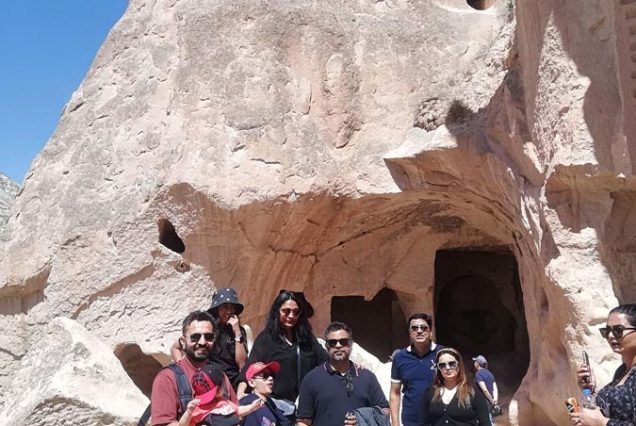
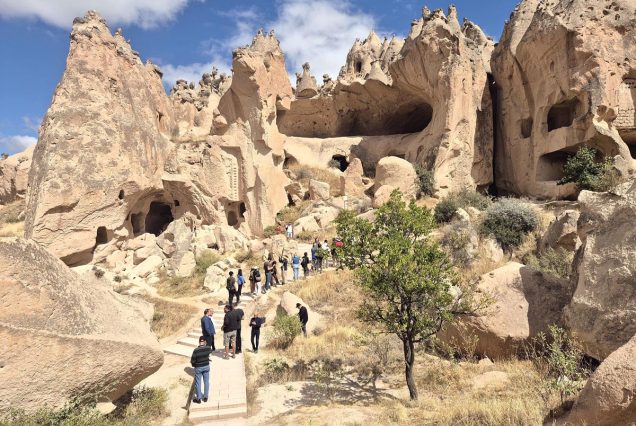
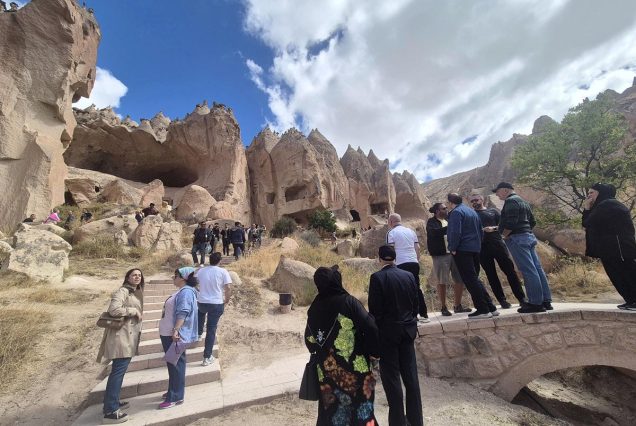
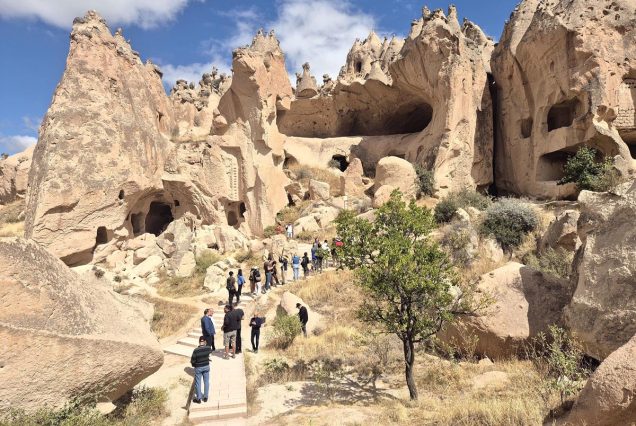
The first stop is the UNESCO-listed Göreme Open Air Museum, a dense cluster of rock-cut churches, refectories, and living quarters carved between the 10th and 12th centuries. What sets Göreme apart from other archaeological sites is not merely age but the startling condition of its Byzantine frescoes. Step inside the Karanlık Kilise (Dark Church) and you’ll find pigments — cobalt blue, terracotta red, olive green — that look as though they were applied last century, preserved by the very darkness that gave the chapel its name.
Your guide will decode the theological programme painted across barrel-vaulted ceilings: the Annunciation, the Nativity, the Betrayal of Judas. These aren’t museum pieces behind glass; they surround you at arm’s length, the chisel marks of anonymous monks still visible beneath layers of plaster and paint. Budget at least 90 minutes here; even that feels short.
Devrent Valley — Nature’s Sculpture Garden
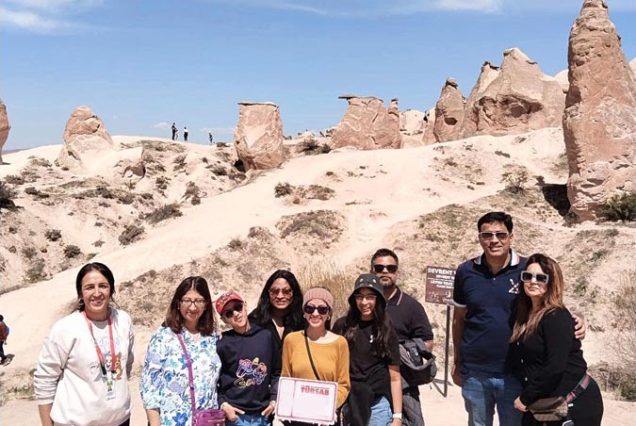
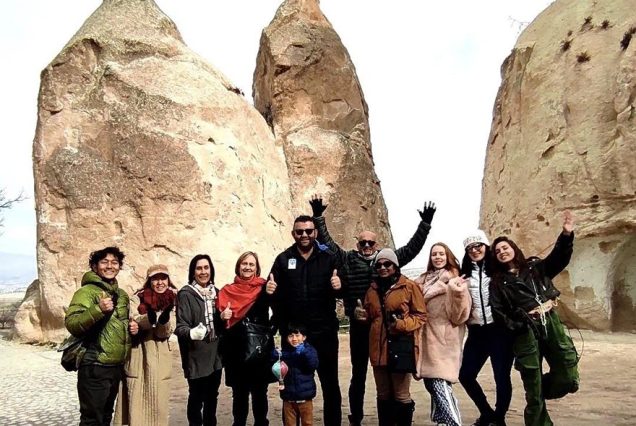
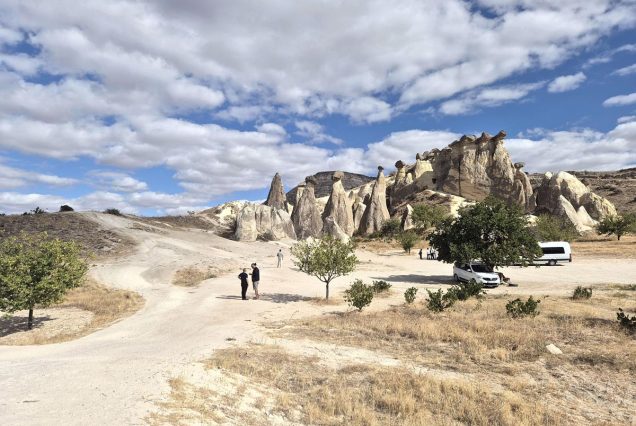
From the sacred to the surreal: Devrent Valley (also called Imagination Valley) contains no churches and no frescoes, yet it may be the stop that lingers longest in memory. Wind, rain, and frost have sculpted the soft volcanic tuff into shapes that invite comparison — a camel here, a dolphin there, a Napoleon hat on the ridge. Your guide will point out the most famous formations, but the real pleasure is inventing your own.
Geologically, Devrent is a textbook example of differential erosion: columns of relatively resistant ignimbrite protect the softer layers beneath, creating hoodoos and pinnacles that change profile as you walk around them. Photographers should note that late-morning light rakes the eastern faces beautifully.
Paşabağ — The Mushroom Forest of Monks Valley
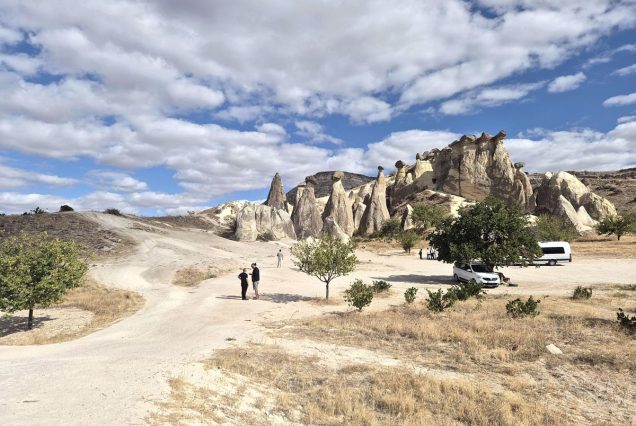
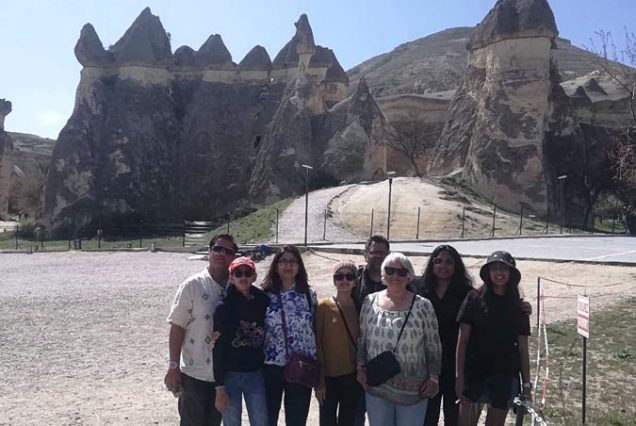
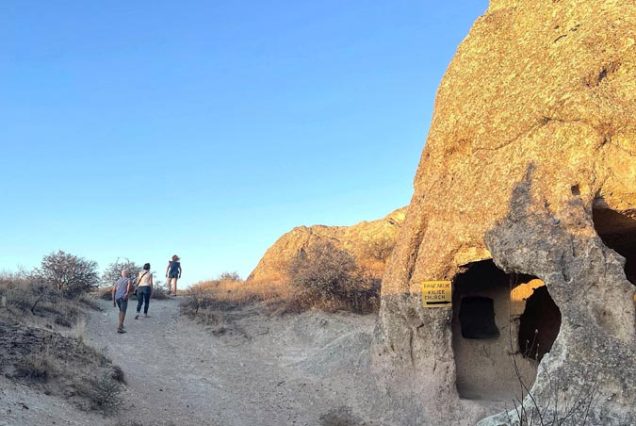
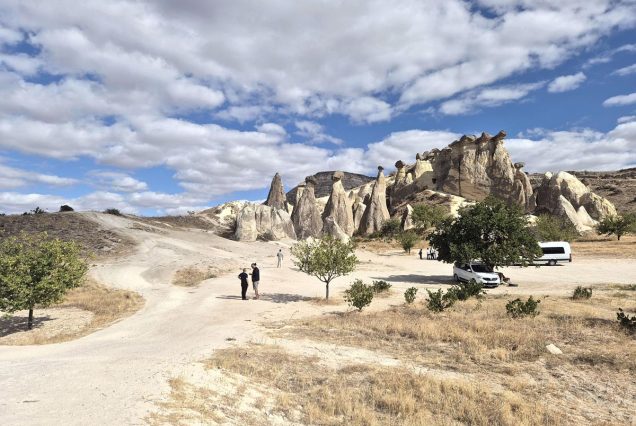
Paşabağ is home to the most photogenic fairy chimneys in Cappadocia — triple-headed columns with dark basalt caps balanced on slender tuff stems. The name “Monks Valley” comes from the hermit cells carved into some of these chimneys; one three-headed pillar contains a chapel dedicated to St. Simeon, the ascetic who spent decades atop a pillar in Syria. The Cappadocian monks apparently decided that living inside a pillar was close enough.
Walk the gravel paths between the chimneys and you’ll notice vineyards planted in the valley floor — the volcanic soil produces excellent grapes, and several Cappadocian wineries source fruit from these very plots.
Avanos — Clay, Wheel, and Centuries of Tradition
The town of Avanos sits on the banks of the Kızılırmak (Red River), Turkey’s longest river, and has been a pottery centre since Hittite times. The distinctive red clay dredged from the riverbed is naturally iron-rich, giving Avanos ceramics their warm terracotta tone before glazing.
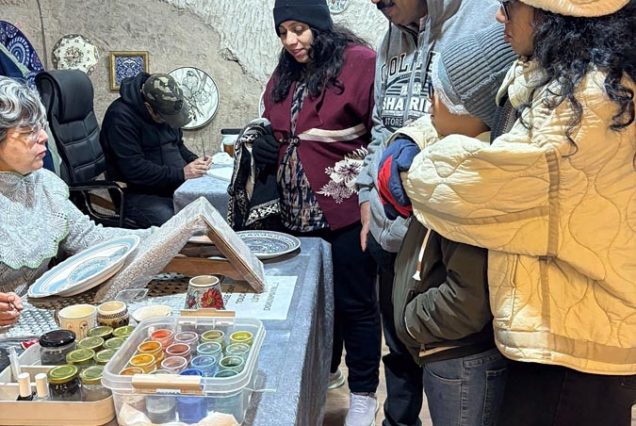
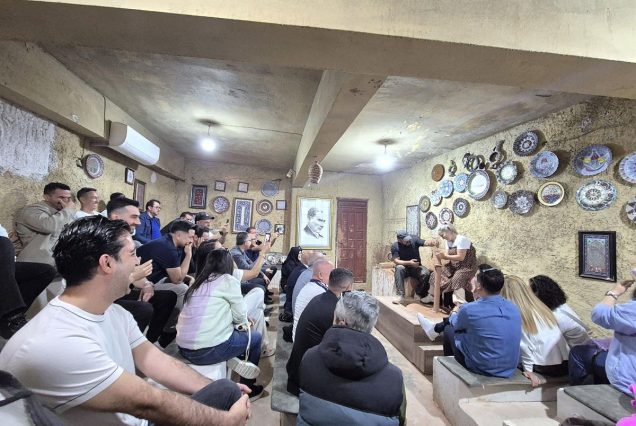
You’ll visit a family-run workshop where a master potter demonstrates the kick-wheel technique — no electric motor, just a heavy stone flywheel driven by foot. After watching a lump of clay become a symmetrical vessel in under two minutes, you’ll have the chance to try the wheel yourself. Pieces can be glazed, fired, and shipped if you’d like to take a souvenir home that you actually made.
Lunch follows at a local restaurant featuring Cappadocian specialties: testi kebab (a meat stew slow-cooked in a sealed clay pot, cracked open at your table), stuffed vine leaves, and fresh flatbread from a wood-fired oven.
Uçhisar Castle — The Crown of the Valley
The final stop is Uçhisar Castle, the highest point in Cappadocia. This is not a castle in the European sense — no walls, no moat — but rather a colossal rock outcrop riddled with tunnels and chambers that served as a natural fortress for whoever controlled the region. Climb the carved stairway to the summit and the reward is a 360-degree panorama: Erciyes Dağı to the east, the pigeon houses of Güvercinlik Valley to the south, and the sprawl of Göreme’s fairy chimneys to the north.
On clear days the view extends over 50 kilometres. It’s the perfect closing image for a day spent exploring a landscape that seems to belong to another planet.
Why Choose the Highlights Tour?
If you have only one day in Cappadocia, this is the tour to book. It covers the region’s most celebrated sites without feeling rushed, and the combination of sacred art, geological wonder, living craft tradition, and panoramic scenery gives you a genuinely rounded understanding of what makes this corner of Anatolia unique. For travellers staying longer, it pairs perfectly with the Cappadocia South Tour, which covers the underground cities and rose-coloured valleys on the opposite side of the region, or the Cappadocia Mix Tour that blends north and south routes into a single day.
You May Like
Cappadocia Red Tour
Cappadocia South Tour
Cappadocia Mix Tour
Cappadocia North Tour
Reviews
There are no reviews yet.